‘Oh, Whistle, and I’ll Come to You, My Lad’

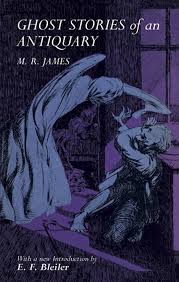
This is a review of the short story ‘Oh, Whistle, and I’ll Come to You, My Lad,’ written by M.R. James and published in his collection Ghost Stories of an Antiquary (published 1904). You can read my review of his short stories The Treasure of Abbot Thomas and Canon Alberic’s Scrap Bookhere and here.

Parkins is a Professor of Ontography who doesn’t believe in ghosts and is trying to improve his golf game. He goes on a golfing vacation, and his hotel room has two beds (foreshadowing alert!!!). One evening he comes across the ruins of an ancient temple by the beach, and finds an old whistle. When Parkins examines the whistle, he sees the following epitaph: Who is This Who is Coming? IMO, it should read Who is Coming, but the Victorians never met a word they didn’t like. The gist of the question is, if you want to find out who is coming blow the whistle.

Does this sound vaguely ominous? Would you blow the whistle? Well, Parkins does! As a doctor of Ontography, which doesn’t seem to be a real academic field, he doesn’t believe in ghosts. Ontography is the study and documentation of what is real; it is Philosophy and not Natural Science.

Basically, Parkins is a professor of the literal, which explains why he doesn’t believe in ghosts. I’m sure he doesn’t get subtext, either. This little in-joke adds another layer to the story. Too bad Parkins falls into the same trap as many others – i.e., mistaking his view of reality as actual reality. The whistle summons a thing that rises from the spare bed in the middle of the night, while Parkins lies quaking in his own bed. What will become of our plucky professor of Ontography?

James is great at creating ghosts, and this one is inspired. It seems mostly composed of bedsheets, and James himself says (through one of his characters) that the ghost’s power lies in frightening people out of their wits. To me, the scariest thing about this story – which might’ve freaked me out as a kid – lies in the violation of privacy. Parkins thinks he’s safe and alone in his bedroom, when it turns out he’s neither.

Recommended for ghost story lovers and lovers of Victorian supernatural fiction!

Canon Alberic’s Scrapbook

This is a review of the short story Canon Alberic’s Scrapbook, written by M.R. James and published in his collection Ghost Stories of an Antiquary (published 1904). You can read my review of his short story The Treasure of Abbot Thomas, here. Like the main character of this story, M.R. James was a scholar and a Cambridge man. If you like ghosts, he is a must read. Ghost Stories of an Antiquary contains many of his strongest stories.

An amateur archaeologist stops at an old church, where he spends the day looking at whatever amateur archaeologists look at. You’ll have to use your imagination, here. He’s accompanied by the church’s sacristan (a fancy name for keeper), an old man with a horrid case of nerves. Or is it nerves? Dennistoun – who lacks imagination – hears strange things in the church, but he’s not the sort to be put off by unexplained bumps or gouts of uncontrollable laughter.

Afterwards, the sacristan shows Dennistoun a scrapbook consisting of leaves scavenged from illuminated manuscripts. One picture stands out – King Solomon confronting a demon of the night. Dennistoun buys the book from the sacristan. Something follows him back to the hotel. Later that evening, he meets it. The end.

This is a creepy story. By today’s standards, the Victorian prose might seem overly ornate with flat characters, but you are here for the monsters. And James delivers. The demon in this story is described in a tactile way – spider eyes, shallow jaw, black hair, all bone and muscle. The creepiest thing is the monster’s closeness. Dennistoun sees its hand resting on the desk he’s working on, and then it rises up behind him. Talk about breathing down someone’s neck!

I like the idea of a haunted scrapbook. Using the magic of the Google, I searched for an image similar to the one found in the scrapbook. Alas, I found nothing. If anyone knows if an image answering to the description of King Solomon’s Dispute with a Demon of the Night exists, please let me know.

It is also interesting to note how clueless Dennistoun truly is. Or I suppose you could call him literal. There are ample warning signs that things are amiss – strange, unexplained laughter in the church, the old man’s eagerness to unload the scrapbook – which he ignores. I don’t blame him. Everyone knows monsters aren’t real.

Recommended for lovers of creepy and the supernatural.

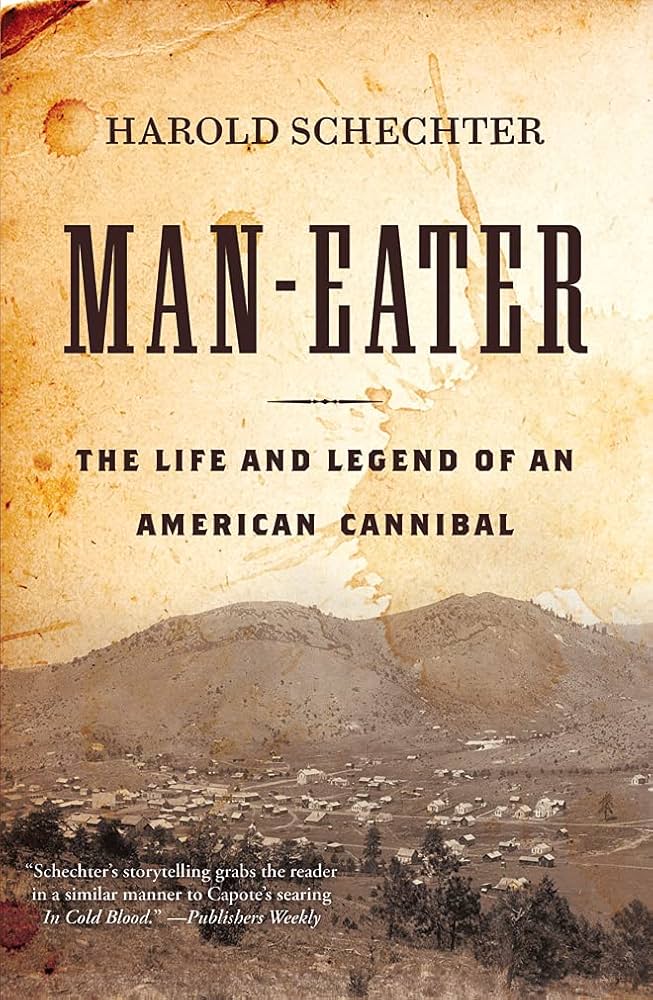
Man-Eater: The Life and Legend of an American Cannibal

This is a review of Man-Eater: The Life and Legend of an American Cannibal, written by Harold Schechter. Ah, cannibals. If you want to get technical, use the term anthropophagy and watch people scratch their heads. We all know about the Donner Party, but there have been other cases of cannibalism, especially on the American frontier.

Consider the case of Alfred Packer, wilderness guide, Civil War veteran, and the sole survivor of a party of six prospectors intrepid or stupid enough to brave the Colorado wilderness. They set out in the winter of 1873-1874, got lost/stranded in the snow, and ran out of food.  Mr. Packer claimed that a crazed butcher (the man’s real profession!) slaughtered the others while he was out searching for food, and then attacked him with an axe upon his return. Mr. Packer, who had a gun, killed the man and then hunkered down for the rest of the winter.

What can not be disputed is that Mr. Packer ate the remains of some of his fellow prospectors, because search parties found the evidence. Or to put it in the jargon of the newspaper reports of the time, HE FEASTED UPON THEIR CORPSES. Whether or not he committed a crime is a question, since he ate his fellow man to survive. History shows that he’s not alone in that, either.

Mr. Packer went to jail, but not for cannibalism. The charge that stuck was manslaughter. What was his motive? Well, theft. The prosecution pushed the robbery angle, although why anyone would subject themselves to starvation to commit a robbery makes no sense. Packer was brought to trial – several times – convicted, and sent to prison rather than being hanged. As time passed, the legend of the Colorado Cannibal grew.

The press took up his cause, including sob sister and gossip columnist Polly Pry. Back in those days, the press didn’t exactly have a savory reputation. Some things never change! One of the best scenes in this book is when a shyster lawyer shoots up a newspaper office, gets away with it, and is feted as a minor celebrity.

Packer was released, years later, and became a minor celebrity himself. He denied any wrongdoing until he died. He is portrayed as a tough, rather unsavory, man, with a striking appearance. People seemed to like or hate him. Did he kill his companions? I don’t know. Nobody does.

What do I think? Well, I doubt anyone considered murder until the food ran out. I also don’t believe that the party was taking a jaunt through the beautiful winter wilderness, making snow angels and catching snowflakes on their pink tongues, while all around them abundant game animals frolicked. The prosecution made this argument, btw. What happened is that they ran out of food and started eating their own boots, which is what you do when you are starving to death.

The other members of Mr. Packer’s group did not love him. He must have known that if it came to it, nobody would’ve bothered drawing lots; they would’ve eaten him first. He was convicted on circumstantial evidence, which means the prosecution had nothing but hearsay. Which doesn’t mean he’s innocent, it means the prosecutors managed to convince a jury he was guilty. Take that for what it’s worth.

If you like true crime, this is a great beach read. It’s entertaining as a slice of history, also, and reads like a potboiler. There are lots of great details from that time period, and the author has an engaging style. Recommended!

The Treasure of Abbot Thomas

This is a review of the short story The Treasure of Abbot Thomas, written by M.R. James and first published in the collection Ghost Stories of an Antiquary. Going forward, I will be reviewing one horror short story/novel per week in addition to my graphic novel reviews. If there is anything specific people would like to see (more graphic novel reviews, horror movie reviews, etc.) please let me know.

A scholar and man-of-means goes on a treasure hunt that starts out exciting, if you call translating Latin texts, examining stained glass windows, and deciphering code exciting. Since he’s a scholar, it is to him! Others may not find this section to be as thrilling. The adventurous academic toddles off with his manservant to the abbey where the treasure is hidden, where he meets something he doesn’t expect, and that’s when the story picks up steam.

The main character is a scholar who is over inquisitive. James’ protagonists are not men of action. They are steeped in academia, amateur historians, antiquaries, college professors. All are curious, overstep, and pay a price. After encountering the supernatural, his protagonists always come away marked. Many die.

By today’s standards, this story is overwritten with an awkward frame, and I don’t think anyone over the age of nine will find it scary. On the other hand, it is atmospheric and spooky in parts, mainly because of the description of the monster. Mr. James reveals his creation in interesting ways, using senses besides sight and sound. The toad-guardian is described by touch (leathery) and smell (mold).

Because of pacing issues, The Treasure of Abbot Thomas isn’t one of James’ stronger stories, but it is still worth a read, especially if you enjoy ghost stories. The BBC produced a TV adaptation in the 1970’s, which is now streaming on Shudder. Recommended!

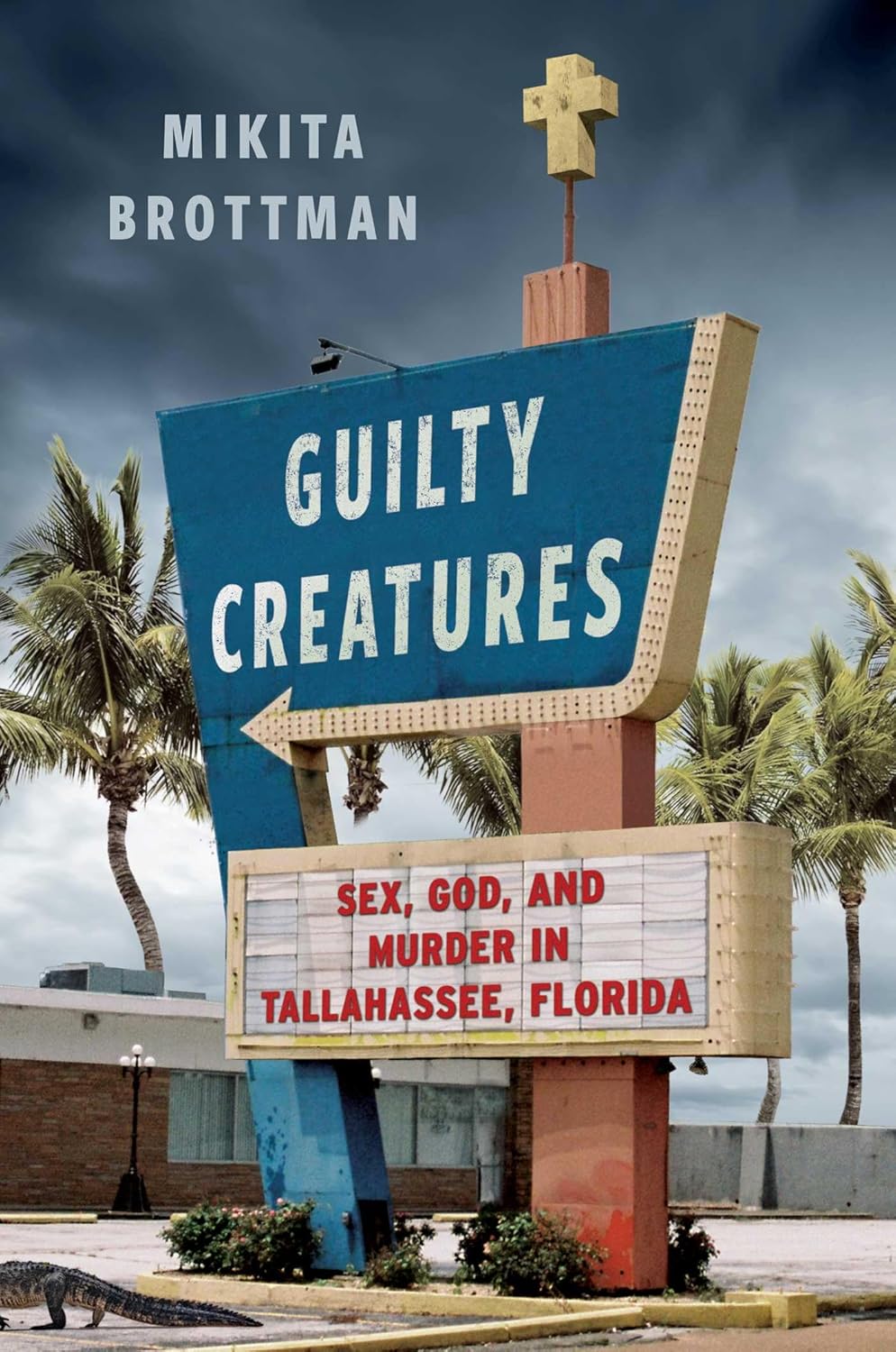
Guilty Creatures: Sex, God, and Murder in Tallahassee, Florida

This is a review of Guilty Creatures: Sex, God, and Murder in Tallahassee, Florida by Mikita Brottman. Please note that this review contains spoilers. The facts of this case are well-known, but the Devil – as they say – is in the details. If you don’t want to know, or don’t want to read about a fairly gruesome murder, read no further.

This book is about two couples who live in a religious community in the suburbs of Tallahassee. Mike – who did not grow up wealthy – spends most of his time working and neglects his wife (Denise), so she starts hanging out with his best friend Brian, who is having his own problems with his wife (Kathy). Brian and Denise start an affair. She doesn’t want to get divorced, so they start talking about devising a ‘test of God’s will.’

This ‘test’ involves Brian luring Mike out to a lake to go duck hunting and then pushing him off the boat. If he sinks, it’s God’s will. Since Brian and Denise believe that a person wearing duck waders will always sink, it’s not much of a test. Mike doesn’t sink, so he passes. Brian shoots him in the head anyway, drags his body into his truck, stuffs his corpse into a dog crate to control the bleeding, and then drives home. After which, he goes to Home Depot to purchase a shovel, tarp, & weights, and buries his best friend’s body in an unmarked grave.

The obvious question is, why didn’t Mike and Denise get divorced? People end relationships all the time and for all sorts of reasons, but mostly it boils down to money and compatibility, or lack thereof. People who aren’t God’s chosen are allowed to drift apart or even dislike each other. Sometime people discover they aren’t compatible, because reasons (insert your own). It’s when you deny those reasons because you are thinking about God’s will or God’s plan that you can run into problems.

Before Mike is murdered, he takes out two life insurance policies. Denise cashes in on both of them, and this is what catches the eyes of the authorities. Brian divorces his wife and marries Denise a few years later. The authorities suspect, people talk, and Mike’s mother won’t give up trying to find her boy. But none of that is the reason they are in prison today.

Brian and Denise get to a point where they can’t stand each other. Yes, there’s that compatibility thing again. When Denise divorces Brian, he kidnaps her at gunpoint and threatens to kill himself. This is a serious crime, especially in Florida. Denise asks the prosecutor for a life sentence, which is when Brian confesses. He gets a lenient sentence of twenty years behind bars. Denise, who was not involved in the actual execution of the murder, gets thirty years. Did she deserve thirty years? I do not know. This is a fairly recent case, which means that most of the people involved – families and friends – are still around, so it wouldn’t be right to speculate.

Ms. Brottman does a good job recounting the source material and getting the known facts of the case correct. She is a therapist, and will sometimes psychoanalyze her characters. Because ultimately that’s what they are, characters she invented. Please note that I am not saying Ms. Brottman made them up. We all have biases and prejudices, so our view of certain people is always going to be fictional to a degree.

For example, Brian is depicted as a jealous manchild with too much money. He doesn’t need to work, and fills the empty holes in his life with porn. There is less information about Denise, which makes her more of a tabula rasa. When a person seems like a blank slate, people will project. Some observers of the trial viewed Denise as an evil mastermind or puppet master. Maybe that’s true, or maybe she just wanted to block the whole thing out. She didn’t share Brian’s desire to confess, that’s for sure, and she’s not a big crier. So what?

I have no idea about ‘tests’ or ‘God’s will.’ To me, this book seems to be about obsession and human frailty. The author quotes the Bible and James M. Cain, the author of Double Indemnity and The Postman Always Rings Twice. Ultimately, this is a story about a pair of lost souls who are drawn to – and ultimately destroy – each other.

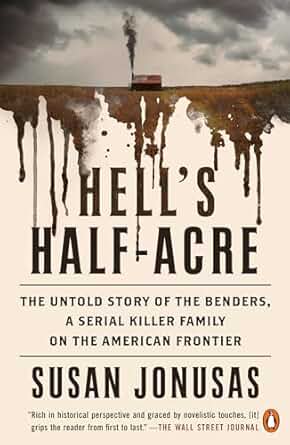
Hell’s Half-Acre: The Untold Story of the Benders, a Serial Killer Family on the American Frontier

This is a review of Hell’s Half-Acre: The Untold Story of the Benders, a Serial Killer Family on the American Frontier, by Susan Jonusas. This review contains spoilers. I am not an expert on the Benders, and this book is my main (only) source of information. Gossip and conjecture aside, we do not know a lot about this family.

We do know that the Benders came to Kansas in 1870, when the new state was flooded with settlers. The family consisted of Ma and Pa Bender, a couple in their fifties who spoke mostly German. Kate Bender and John Gebhardt, in their early 20’s, might have been their children, or they might not have been even related. Eyewitnesses claim they saw ‘physical intimacy’ between them, so perhaps they were husband and wife. Or maybe those eyewitnesses were making things up after the fact.

The Benders lived in a one-room log cabin and sold groceries to travelers. Sometimes they killed those travelers by hitting them over the head with a hammer and slitting their throats. They buried their victims in the apple orchard and took their goods. After eleven murders – including a child, who was buried alive – the Benders fled Kansas and headed west, where they vanished into the frontier. They were never captured.

I do not think the term ‘serial killer’ describes the Benders. I’d call them opportunistic killers who murdered for financial gain. They didn’t have a ‘type,’ and neither I nor anyone else know if they derived psychological or sexual satisfaction from the murders. Yes, their modus operandi was brutal, but it was also efficient and minimized risk to the killers.

The killings spurred a press feeding frenzy, making it hard to separate fact from fantasy. In the aftermath of the murders, every person in Kansas seems to have encountered the Benders. To her credit, the author avoids speculation, although she does attribute thoughts and feelings to her characters, I’m assuming for dramatic effect.

The Benders were not criminal masterminds. They escaped justice by vanishing into the western frontier, which doesn’t exist anymore. Their pursuit was haphazard and disorganized, and that is putting it kindly. There wasn’t much in the way of law enforcement on the frontier, and people were all too willing to take the law into their own hands. One of the more vivid sequences of the book describes the lynching of a group of violent drunks and the attempted lynching of a neighbor of the Benders.

Hell’s Half-Acre is a good book that suffers from a paucity of content. Ms. Jonusas cannot interview eyewitnesses, so she relies on primary sources while avoiding speculation. This works for and against the author. The book reads as historically accurate but is sometimes limited in scope. The description of the discovery of the bodies at the Benders’ cabin is a visceral eye-opener. The same holds for the description of what passed for a manhunt.

After that, the Benders simply vanish and the book loses steam, shifting to the arrest, trial, and eventual acquittal of two women accused of being Ma and Kate Bender, years later. The trial scenes go on too long and belong in another book, but it isn’t the author’s fault that the ending is anticlimactic. Sometimes stories fade out instead of ending with a bang.

The Benders are fascinating in the same way as car crashes – people gawk with their mouths open, but stay safely in their cars. The fate of the central players of this drama remains unresolved, and not knowing adds a certain mystique to what is a sad and gruesome story. In the end, the Benders’ final fate is lost to history.

The Doll’s Ghost

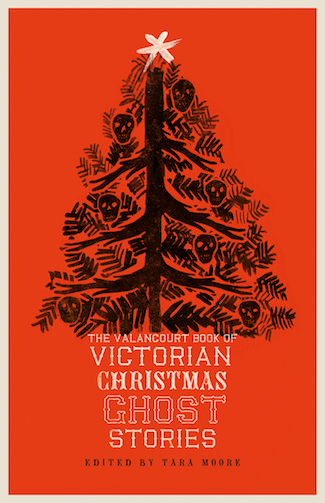
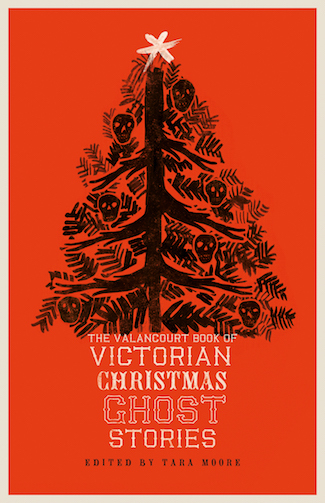
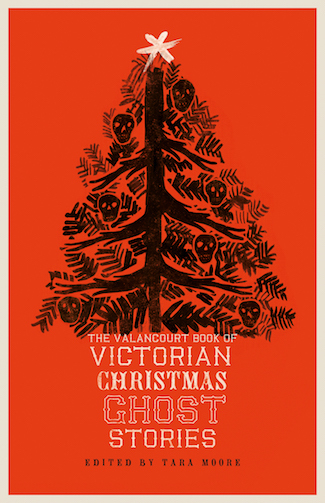
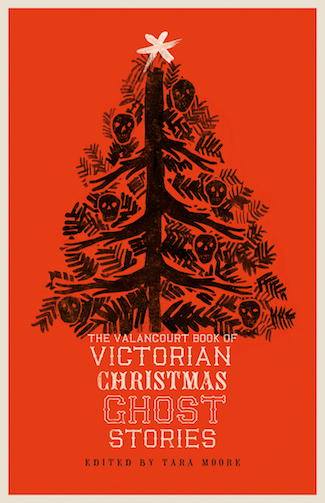
I am reviewing tales from The Valancourt Book of Victorian Christmas Ghost Stories for the month of December. Previously I’ve reviewed The Tapestried Chamber, Horror: A True Tale, Bring Me A Light!,’ and The Ghost’s Summons. This is a review of The Doll’s Ghost by Francis Marion Crawford.

The Doll’s Ghost takes place in London in the 19th century. A doll with a broken face is brought to a doll-doctor, who talks to his charges and even develops parental feelings about them. There are those who may feel that the above description alone makes the story creepy, but this tale was published in the late 19th century. The Victorians would see him as a harmless eccentric.

The doll-doctor has a twelve-year-old daughter, whom he tasks with returning the repaired doll to its family. She vanishes. The man races about London, frantic, but can’t find her until a little person who calls him Pa-Pa and bears a striking resemblance to the doll he just repaired leads him to her.

Yes, it’s the Living Doll trope! Instead of Chucky, think of Pinocchio. The author of this tale was born in Italy, so that would make sense. Anyway, this is a decent story with a plot that involves more than the main character encountering a ghost and then learning the ghost’s history.

It is also a scary story. I have mentioned the 19th century Victorian ghost being a stand-in for something else, and in this case it’s the fear of a missing/hurt child. Nowadays a story like this is tame, considering what’s out there, but by the standards of that time it was (and is) a well-made tale.

I hope people have enjoyed my short story reviews from The Valancourt Book of Victorian Ghost Stories. Next month I will be reviewing true crime books, along with my usual graphic novel reviews. If you have any suggestions as to what I should review, please let me know (my contact info. is under Review Policy). Happy Holidays to everyone!

The Ghost’s Summons

I am reviewing tales from The Valancourt Book of Victorian Christmas Ghost Stories for the month of December. Read my review of The Tapestried Chamber here, my review of Horror: A True Tale here, and my review of ‘Bring Me a Light!’ here. This is a review of The Ghost’s Summons, by Ada Buisoon.

A doctor is offered 1,000 pounds to attend a deathbed. The rub: his ‘patient’ is alive and seems to be in good physical health. His mental health is another matter, of course. The doctor agrees, because of the money. After giving his patient a sleeping draught, he replenishes the fire, pours himself a big glass of wine, and draws the curtains before retiring himself. Why the doctor feels comfortable falling asleep in a total stranger’s house is one of many details the story does not explain.

The doctor awakens at 1 a.m. to witness a specter with a severed left middle finger kill his patient! For obvious reasons, the doctor leaves the house in a hurry. When the widowed wife makes noises about contesting her husband’s will (where the 1,000 pounds is included) because her spouse wasn’t in his right mind, the doctor requests an audience.

I’m curious about his motives, here. Well, obviously his motive is money, but him coming forward raises all sorts of bizarre questions. ‘Hello, I’m the doctor your husband hired to attend him at his deathbed. I know I sort of left, uh, suddenly, when your husband died. By the way, the ghost that killed him had a severed left middle finger – just like you!’ The story ends when the doctor collects his 1,000 pounds from the ‘sinful’ (the author’s word, not mine) wife and goes on his way.

And that’s it. I suppose the takeaway is that the wife did away with her husband by – uhh, I don’t know. One of the things I have seen whilst reading these stories is that the ghost in the 19th century was often a stand-in for something else: fear of assault, wayward sexual urges, psychotic mothers-in-law, etc. Add murderous wives to the list.

The Ghost’s Summons did leave me with questions. I’d like to know if the doctor brought his pajamas with him. Maybe he took off his pants to prepare himself for slumber? Did he sleep in an armchair, or in the same bed as his patient? Like the other issues raised by this story, these questions go unanswered.

I am not being sarcastic when I say that I am unsure why this was ever published, as I don’t think it holds together. When a story has gaping plot holes with characters who act in bizarre ways that aren’t explained, the most likely explanation is bad writing. I don’t wish to malign the author, and it is possible that I’m judging this story by 21st century standards, when it was meant to be read during the witching hour with flickering candles and the wind whistling outside, etc., etc., etc. Whatever the reason, this story did not work for me.

‘BRING ME A LIGHT!’

I am reviewing tales from The Valancourt Book of Victorian Christmas Ghost Stories for the month of December. Read my review of The Tapestried Chamber here, and my review of Horror: A True Tale here. This is a review of ‘Bring Me a Light!,’ written by Jane Margaret Hooper.

A young lord inherits property, including an old house. Everyone is afraid of the house but the young lord, who snickers at the superstitious locals. This changes after the young lord spends a few hours in the house after sunset. He sees the ghost of an evil old woman setting a younger woman afire with a taper, and then passes out.

Afterwards, the young lord learns that one of his relatives killed her daughter-in-law this way. The clothes Victorian ladies wore were so flammable they could combust. I suppose the old woman had her reasons, but come on. As Bob Geldof said – ‘what reason do you need to be shown?’ For those unfamiliar with the Boomtown Rats, this line is from a song about a girl who shoots up her school. When asked why, she says ‘I don’t like Mondays.’

Sometimes we overthink things. Simply put, the old woman is a sadist who also killed her husband. She doesn’t get away with the murder of her daughter-in-law, as her son and the servants leave her alone in the house, where she has to witness the ghosts reenacting her wicked deeds for the rest of her short life.

There’s also talk of buried treasure, guarded by the ghost of the son, which seems like a silly add-on. The young lord doesn’t need money, and money isn’t crucial to the plot. I would argue that this story doesn’t have a plot. It has a situation, which is all that’s needed. The tale is designed to draw the reader in by tickling his/her curiosity, culminating in a single shocking scene which still packs a punch today. I could’ve done without the longish explanation afterwards, which dilutes the story’s power, but those Victorians sure loved them some exposition.

Bring Me A Light!’ is a nasty little story. Recommended.

Horror: A True Tale

I am reviewing tales from The Valancourt Book of Victorian Christmas Ghost Stories for the month of December in honor of the holidays. Read my review of The Tapestried Chamber, here. This is a review of Horror: A True Tale, published anonymously. Contrary to what I said in my first review, this story is set during Christmas.               

A well-to-do young woman celebrates the Yuletide holidays with her loving family. Her house is so crowded with love (and people) she has to sleep in a disused part of the house. Unfortunately, an escaped lunatic bursts into the bedroom and collapses on the bed. He grasps her sleeve so that she can’t get away. In the morning, she does gets away, but she’s aged decades from the shocking incident and her facial features are disfigured, although the lunatic didn’t touch her face. Her fiancée leaves her and she is now shunned by polite society, although it’s not clear if society shuns her, or if she does the shunning herself.           

Unlike The Tapestried Chamber, this is a scary story. People still tell variations of this tale today, mostly in urban legends – the man with a hook for a hand, the babysitter and the maniac, etc. We have a deep-rooted fear of being alone or isolated…and then realizing we aren’t really alone.                

This story has yet another layer. The narrator’s life is ruined by this event. I think it’s likely that the lunatic – who is depicted as being all-too real – did more than just grab her sleeve. The narrator seems to be stained from the experience. Is her disfigurement of the body or the mind? Did her features change that much, or did her supposed friends and family believe her to be tainted?

Anyway, this seems like a very modern story to me. It reads like an amalgam of morality tale and psychological horror, but what makes it stand out is the psychological horror. True, the language is archaic, but a sense of doom hangs over the tale. The author does a good job of foreshadowing (the butchered ewes!), and I also liked the addition of the nasty old great-aunt who might know more than she’s telling. The narrator herself is decidedly unreliable.

I doubt the Victorians viewed sexual assault as a topic for a ghost story. However, they as a society were obsessed with purity. Elements of this story seem to bear the mark of a morality tale – others try to turn the narrator from her chosen path (her sisters want her to spend the night with them!), but she ignores them and pays the price. What was her sin? Pride? Not being able to foretell the future?

Wait, I know: she slept in a bed not her own! I am being serious, here. The symbolism fits, but from a literal/logical point-of-view it makes no sense. However, horror is not about logic. Horror is all about how the world isn’t safe, how things don’t make sense, how bad things can randomly happen. Yes, it’s true: sometimes your life can be ruined by doing something as simple as sleeping in the wrong bed.

Recommended!